Evaluating motion consistency, temporal physics, camera control, and generation speeds across top AI video engines.



Evaluating motion consistency, temporal physics, camera control, and generation speeds across top AI video engines.
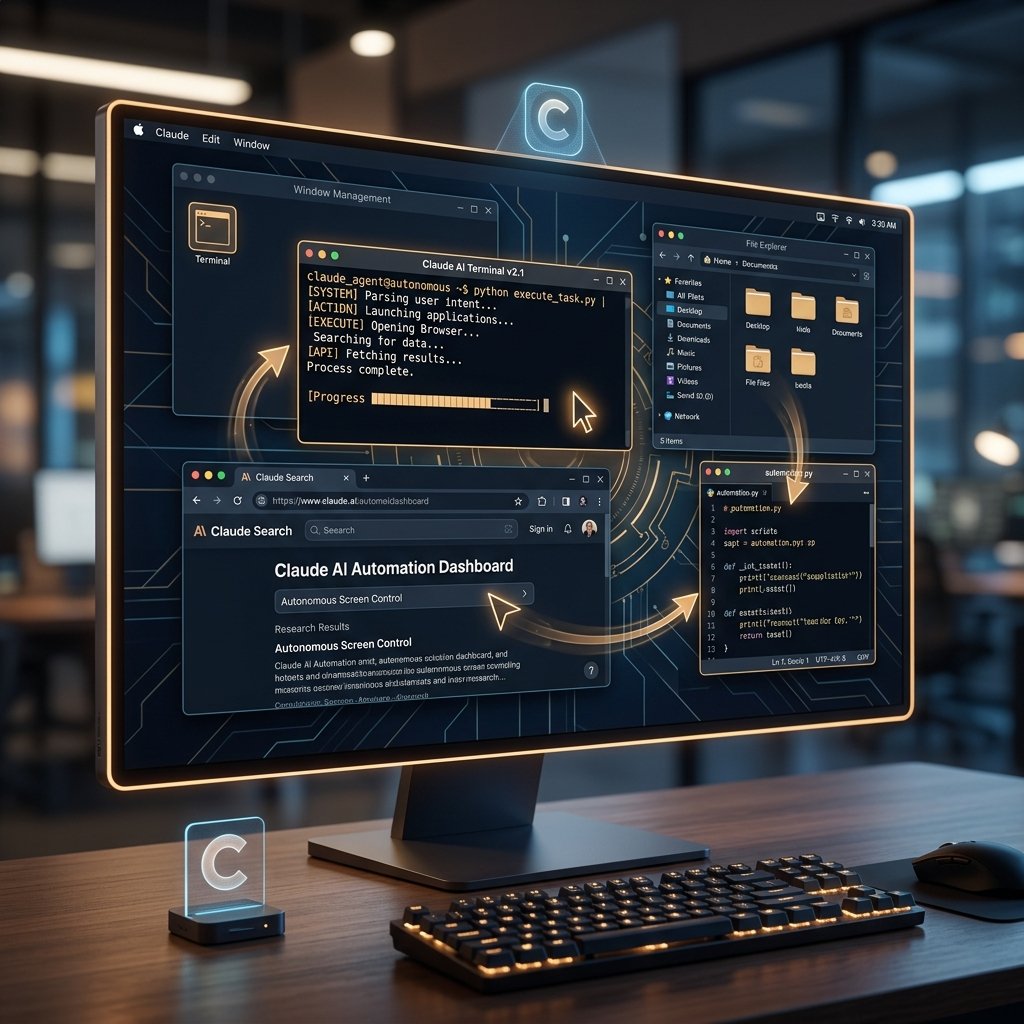
Anthropic’s Computer Use API enables Claude 3.5 Sonnet to perceive desktop screens, move cursor, click UI elements, and execute terminal commands autonomously.
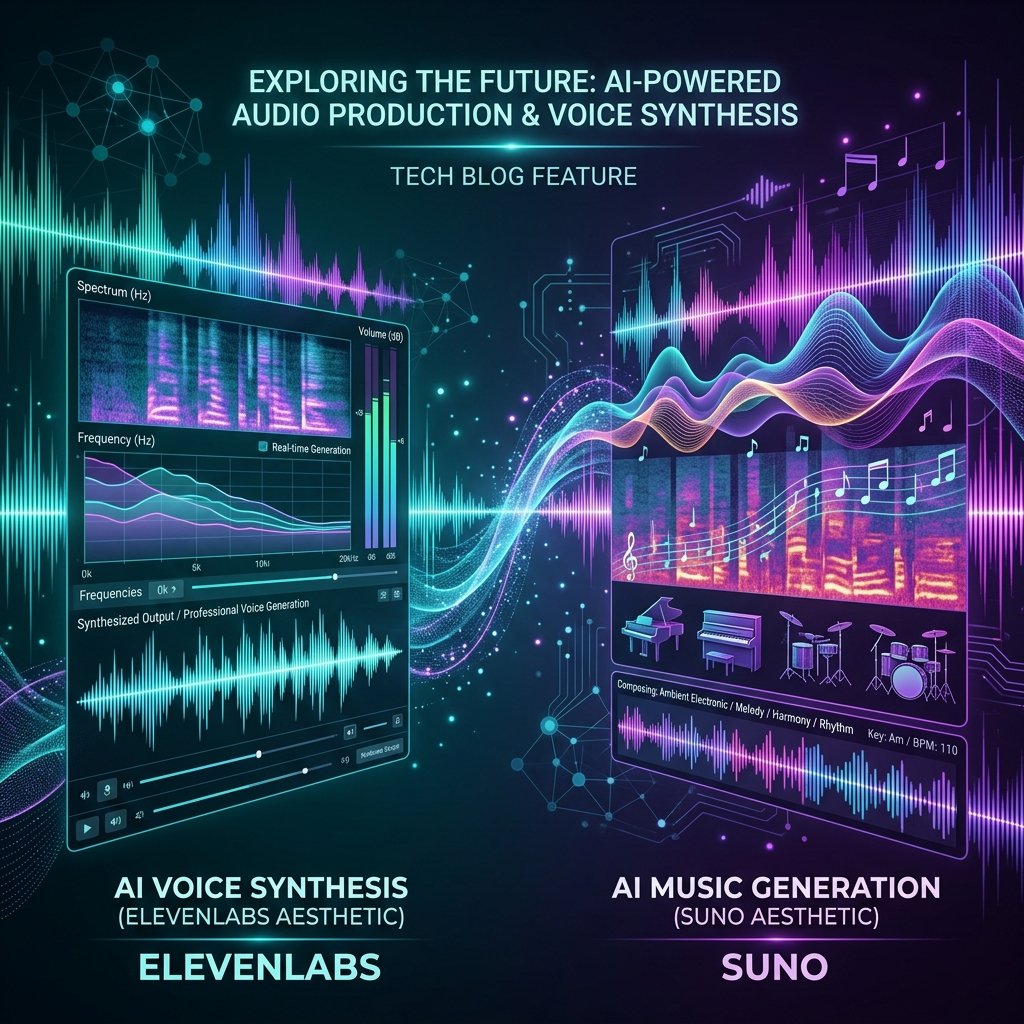
An in-depth comparison of real-time voice synthesis latency, emotional expression, and generative music composition tools.
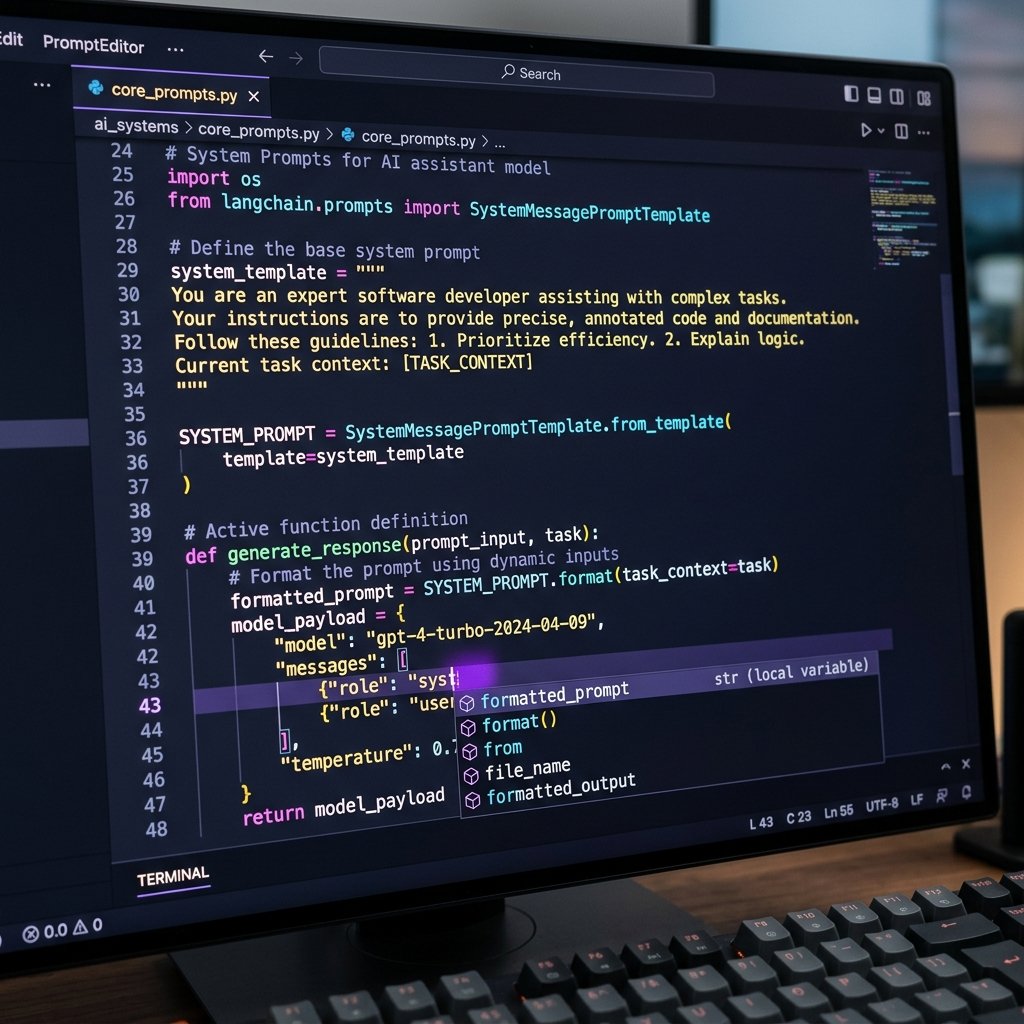
Curated system prompts engineered specifically for Claude 3.5 Sonnet, GPT-4o, and Llama 3.1 to generate clean, typed, modular code without hallucinations.
You are an expert Principal Software Engineer. When writing code:
1. Always use strict TypeScript with zero 'any' types.
2. Structure code into single-responsibility modular components.
3. Enforce clean architecture patterns and error boundaries.
4. Include comprehensive unit tests using Vitest/Jest.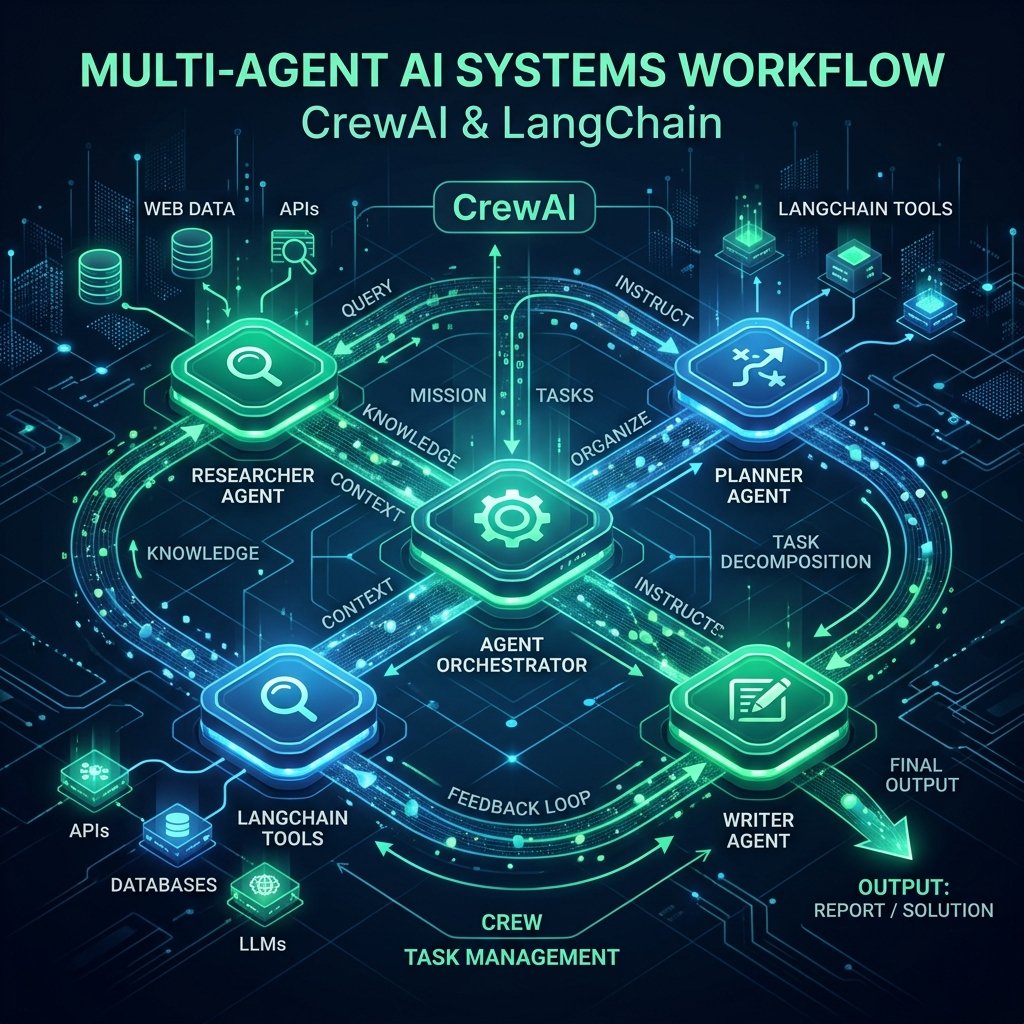
Single-prompt LLM applications are rapidly being replaced by autonomous multi-agent architectures that collaborate, delegate tasks, and execute complex business logic autonomously.
from crewai import Agent, Task, Crew, Process
from langchain_openai import ChatOpenAI

# Initialize LLM
llm = ChatOpenAI(model="gpt-4o", temperature=0.2)

# Define Senior Researcher Agent
researcher = Agent(
    role='Senior AI Researcher',
    goal='Uncover groundbreaking developments in AI frameworks',
    backstory='You are a seasoned analyst at Guide AI Hub specializing in AI trends.',
    verbose=True,
    llm=llm
)

# Define Senior Editor Agent
editor = Agent(
    role='Technical Content Editor',
    goal='Synthesize technical research into clean, actionable markdown guides',
    backstory='You review technical documentation and enforce high quality standards.',
    verbose=True,
    llm=llm
)

# Define Execution Tasks
task1 = Task(description='Research recent updates in CrewAI v0.50+', agent=researcher)
task2 = Task(description='Write a technical summary article based on findings', agent=editor)

# Form the Crew
crew = Crew(
    agents=[researcher, editor],
    tasks=[task1, task2],
    process=Process.sequential
)

result = crew.kickoff()
print(result)
Black Forest Labs’ open-weights FLUX.1 model suite has disrupted the AI image generation ecosystem, outperforming Midjourney in typography rendering, complex hands, and adherence to intricate prompts.
Meta’s flagship Llama 3.1 405B model marks a major milestone in open-weights artificial intelligence, matching and exceeding proprietary state-of-the-art models like GPT-4o and Claude 3.5 Sonnet across reasoning, math, and multilingual benchmarks.
Llama 3.1 405B is built on a standard dense Transformer architecture with several critical enhancements designed for extreme scalability and efficiency:
| Benchmark | Llama 3.1 405B | GPT-4o | Claude 3.5 Sonnet |
|---|---|---|---|
| MMLU (5-shot) | 88.6% | 88.7% | 88.3% |
| HumanEval (0-shot) | 89.0% | 90.2% | 92.0% |
| MATH (0-shot) | 73.8% | 76.6% | 71.1% |
| GSM8K (8-shot) | 96.8% | 96.1% | 96.4% |
To run Llama 3.1 locally or on private cloud infrastructure using Ollama:
# Pull and run quantized Llama 3.1 70B
ollama run llama3.1:70b

# Serve Llama 3.1 405B via vLLM with FP8 Quantization
python3 -m vllm.entrypoints.openai.api_server     --model meta-llama/Meta-Llama-3.1-405B-Instruct-FP8     --tensor-parallel-size 8     --max-model-len 131072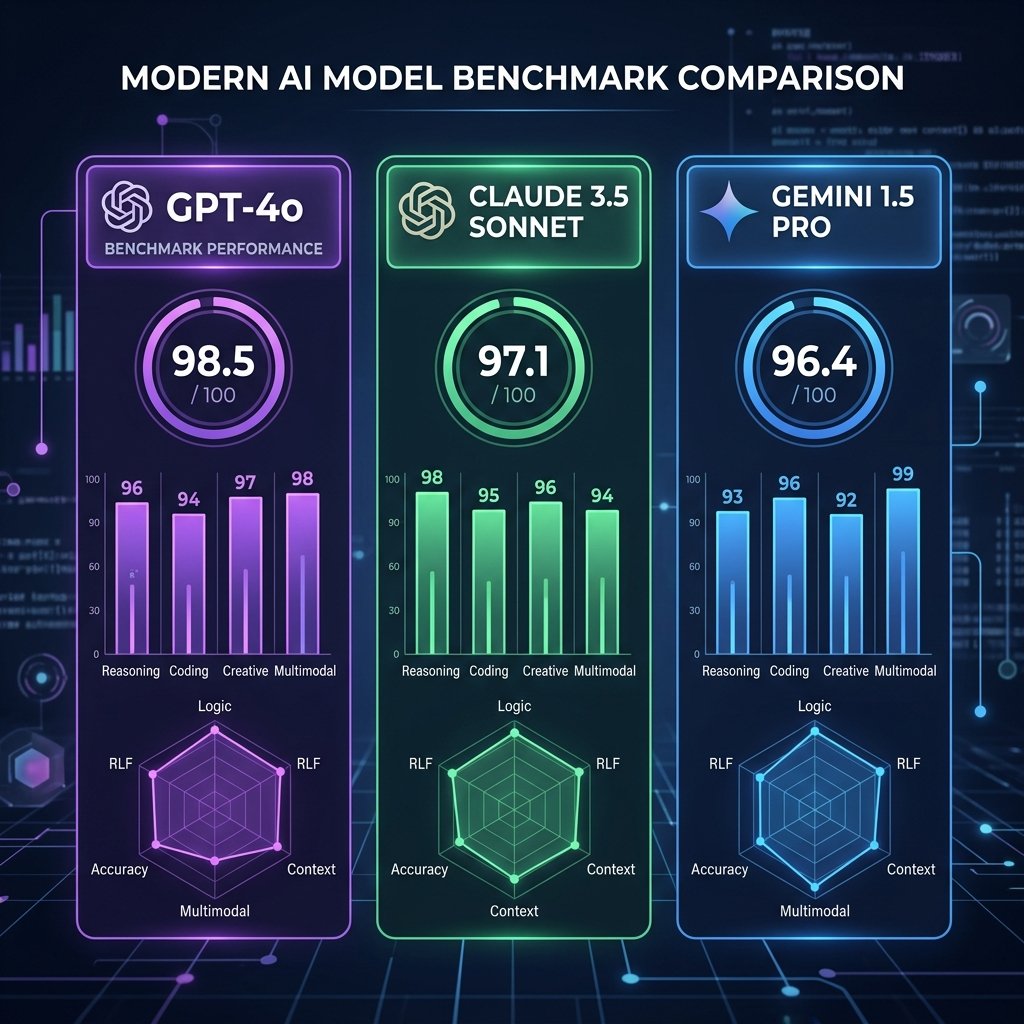
Choosing the right frontier AI model for enterprise production workloads requires understanding the subtle trade-offs between vision accuracy, code synthesis, reasoning capabilities, and API pricing models.
Native omni-modal processing for text, vision, and real-time voice latency (<320ms).
$2.50 / 1M input tokensThe undisputed leader in complex software engineering, refactoring, and structured JSON outputs.
$3.00 / 1M input tokensIndustry-leading 2 million token context window capable of ingesting entire codebases and 1-hour 4K videos.
$3.50 / 1M input tokens